A - B - C - D - E - F
G - H - I - J - K - L
M - N - O - P - Q - R
S - T - U - V - WX - YZ
Lesson : Intro | 1 | 2 | 3 | 4 | 5 | 6 | 7 | 8 | 9 | 10 | ??
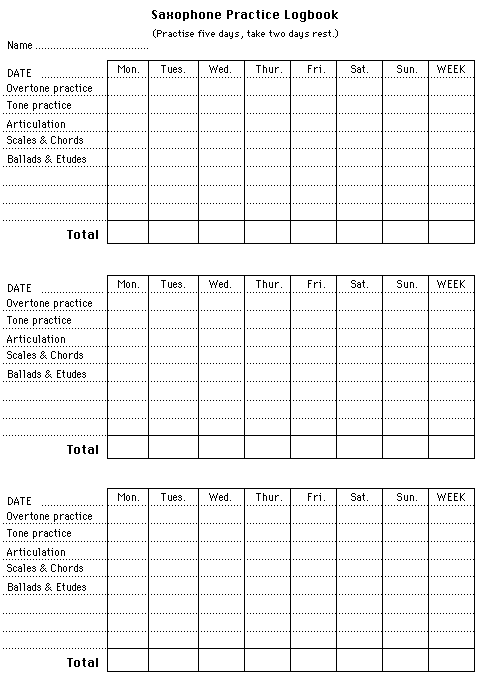
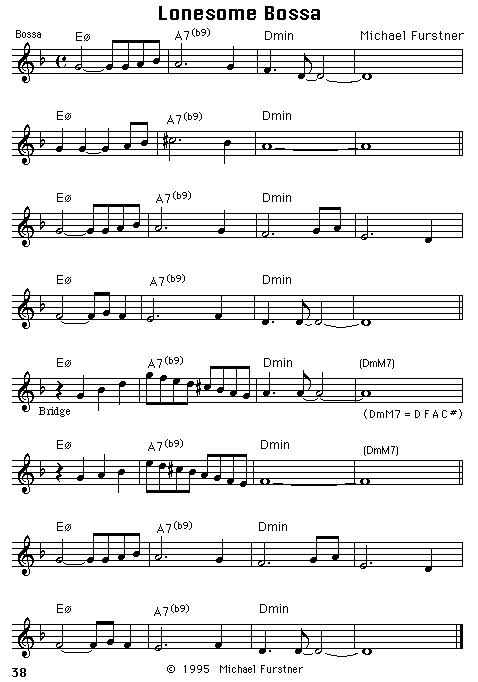
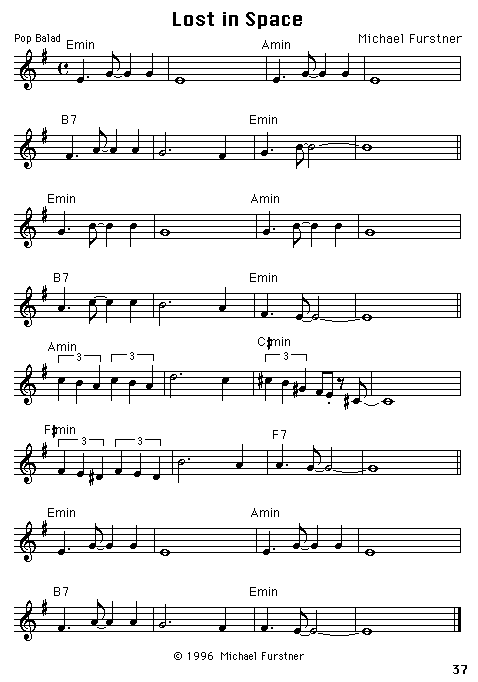
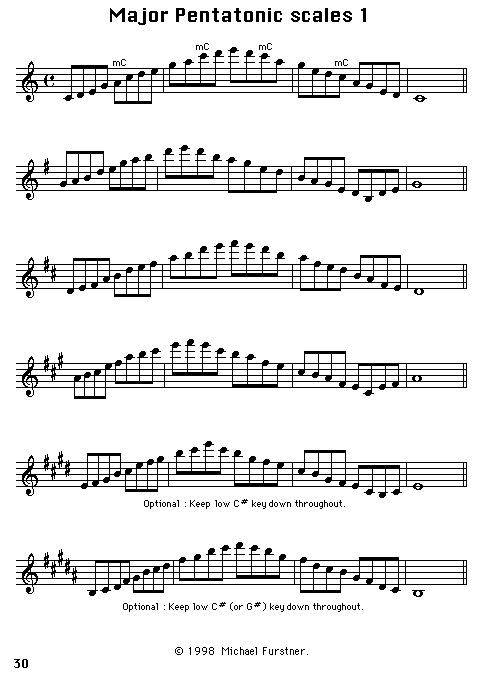
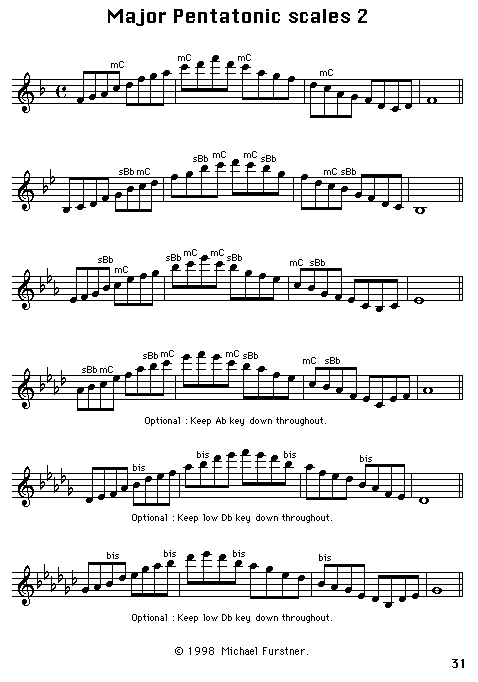
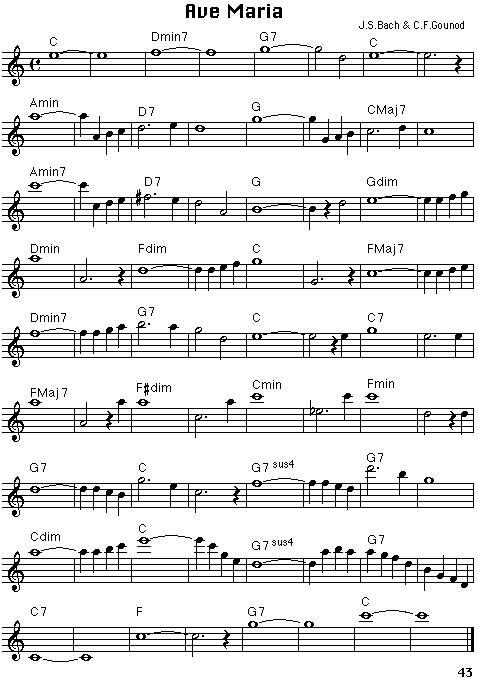
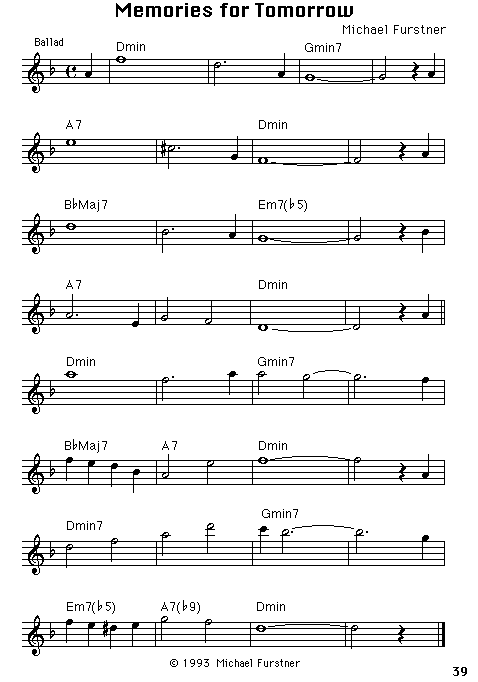
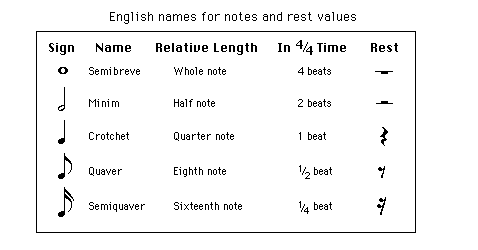
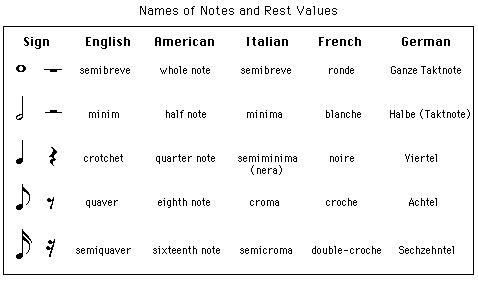
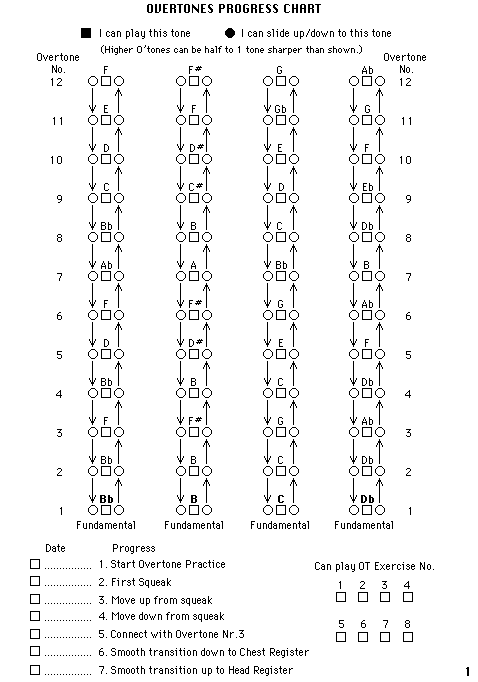
(Down - Up - Top - Links) L. larynx - L6.5 - L6.5a - L6.5b in organic imagery - L9.2b - L9.3 - L9.3a LaVoz - (reed classification) L3.2 comment - L3.3a lead player when to take a breath - L4.4 legato articulation - L7.5 legs (posture) - L2.1a ligature assembly - L3.4 Rovner ligature - L3.4 lip best position of bottom lip - L3.7 function for embouchure - L3.5 lower lip position for embouchure - L3.5 upper lip position for embouchure - QA3.B logbook Practice Logbook - L1.5 Lonesome Bossa (song) - L2.7 long tone Exercises - L9.8 loop or 'antinode' of a sound wave - L1.1 - L5.2 Lost in Space (song) - L1.7 (Down - Up - Top - Links) M. major pentatonic scale - L10.7 notation and fingering in all keys - part 1 - part 2 major scale exercises - L1.6 - L4.7 - L8.6 exercise patterns - L10.7d notation and fingering in all keys - part 1 - part 2 practice schedule - L10.7d meditation - Intro.4 Meditation (song : 'Ave Maria') - L9.8b Overtone practice - L5.6 Memories for Tomorrow (song) - L3.9 metronome - L7.7b - L7.8 for vibrato exercises - L10.3a minim - note names Mitchell Lurie (reed classification) - L3.2 mouth position for embouchure - L3.5 roof of mouth in breathing exercise - L4.3 shapes when voicing - L5.1a sizes for various note pitches - L6.3b mouthpiece (general) - L3.1 assembly - L3.4 baritone sax - L3.3a classification - L3.1a hard rubber - L3.1a metal - L3.1a - L6.3d pitches for unattached mouthpieces - L3.8 - QA3.E selection - L3.3 Selmer - L3.1a - L3.3a table - L3.4 tip rail - L3.4 Yamaha - L3.1a - L3.3a (Down - Up - Top - Links) N. neck strap - L2.2 adjustment - L2.2c harness - L2.2 - Klondyke harness node (of a sound wave) - L1.1 - L5.2 note length - L4.5 names - English (used in this Course) names - Other languages (Down - Up - Top - Links) O. octave skips Exercises - L8.8 - L8.9 open pipe (acoustic system) - L6cl.1 oral tract altissimo register - L10.5 doubling of instruments - L10.8 Registers - L6.3 - L6.3a Register transitions - L6.6a shapes when voicing - L5.1a sizes for various note pitches - L6.3b organic imagery - L9.3 - L9.3a vibrato - L10.2 - L10.4a (Oral tract) Bell Register - L6.3a - L6.3c (Oral tract) Chest Register - L6.3a (Oral tract) Head Register - L6.3a - L6.3cbreaking into L6.4 - L6a optimum tone - L6.3c organic imagery (general) - L9.1 breathing - L9.5 doubling of instruments - L10.8 oral tract - L9.3 - L9.3a posture - L9.7 tone center - L9.2 tone projection - L9.4 vowels - L9.6 Overtones (general) - L5.2 Audio : Overtones 1 to 4 - L5.4 - L5.5a Audio : Overtones 1 to 8 - L5.4 - L5.5a Exercises 1 to 4 - L5.5 - L5.7 Exercises 5 to 8 - L6.6 - L6.7 first 8 Overtones - L5.4 - L5.4a first Overtone Exercises - L5.4 how long to practise - L5.6 - L6a how Overtone practice works - L5.3 mouthpiece and reed - L6.3d - L6a.1a on the clarinet - L6cl.2 - L6cl.2a on the guitar - L9.6a Overtones 4 to 7 (dominant 7th chord) - QA5.D Overtones 1 to 16 for all saxes - L6.6b Overtone Series - L5.2 partials - L5.2a practice schedule - L10.7 - L10.7a (Down - Up - Top - Links) P. palate hard - L6.5 - L6.5b soft - L6.5 - L6.5a - L6.5b - L9.2c palm right hand palm action for side C and Bb - L2.5 left hand palm action for high D - L2.5a partials - L5.2a pharynx - L6.5 - L6.5a - L6.5b organic imagery - L9.3 - L9.3a phrase when to take a breath - L4.4 pitch change through tongue movement - L9.6b loss of control - L6a.1b player beginner (tongue action) - L7.4a skilled (tongue action) - L7.4a posture general - L2.1 Alexander Technique - L9.7b Do - L2.1 Don't - L2.1a PAVE - L1.4 optimum playing position - L2.2c organic imagery - L9.7 practice altissimo register - L10.6a correct embouchure pressure - L3.8 first Overtone Exercises - L5.4 how Overtone practice works - L5.3 Overtone Practice Chart Practice Folder - L1.5a Practice Logbook - L1.5a Schedule (for general practice) - L10.7 slurred tones in twos - L1.6 tone practice with articulation - L7.4a pressure embouchure - L3.6 embouchure for clarinet - L3.6a embouchure for saxophone - L3.6a - L3.6b Subject Index Page 3 Copyright © 2002 Michael Furstner (Jazclass). All rights reserved.
(Down - Up - Top - Links) M. major pentatonic scale - L10.7 notation and fingering in all keys - part 1 - part 2 major scale exercises - L1.6 - L4.7 - L8.6 exercise patterns - L10.7d notation and fingering in all keys - part 1 - part 2 practice schedule - L10.7d meditation - Intro.4 Meditation (song : 'Ave Maria') - L9.8b Overtone practice - L5.6 Memories for Tomorrow (song) - L3.9 metronome - L7.7b - L7.8 for vibrato exercises - L10.3a minim - note names Mitchell Lurie (reed classification) - L3.2 mouth position for embouchure - L3.5 roof of mouth in breathing exercise - L4.3 shapes when voicing - L5.1a sizes for various note pitches - L6.3b mouthpiece (general) - L3.1 assembly - L3.4 baritone sax - L3.3a classification - L3.1a hard rubber - L3.1a metal - L3.1a - L6.3d pitches for unattached mouthpieces - L3.8 - QA3.E selection - L3.3 Selmer - L3.1a - L3.3a table - L3.4 tip rail - L3.4 Yamaha - L3.1a - L3.3a (Down - Up - Top - Links) N. neck strap - L2.2 adjustment - L2.2c harness - L2.2 - Klondyke harness node (of a sound wave) - L1.1 - L5.2 note length - L4.5 names - English (used in this Course) names - Other languages (Down - Up - Top - Links) O. octave skips Exercises - L8.8 - L8.9 open pipe (acoustic system) - L6cl.1 oral tract altissimo register - L10.5 doubling of instruments - L10.8 Registers - L6.3 - L6.3a Register transitions - L6.6a shapes when voicing - L5.1a sizes for various note pitches - L6.3b organic imagery - L9.3 - L9.3a vibrato - L10.2 - L10.4a (Oral tract) Bell Register - L6.3a - L6.3c (Oral tract) Chest Register - L6.3a (Oral tract) Head Register - L6.3a - L6.3cbreaking into L6.4 - L6a optimum tone - L6.3c organic imagery (general) - L9.1 breathing - L9.5 doubling of instruments - L10.8 oral tract - L9.3 - L9.3a posture - L9.7 tone center - L9.2 tone projection - L9.4 vowels - L9.6 Overtones (general) - L5.2 Audio : Overtones 1 to 4 - L5.4 - L5.5a Audio : Overtones 1 to 8 - L5.4 - L5.5a Exercises 1 to 4 - L5.5 - L5.7 Exercises 5 to 8 - L6.6 - L6.7 first 8 Overtones - L5.4 - L5.4a first Overtone Exercises - L5.4 how long to practise - L5.6 - L6a how Overtone practice works - L5.3 mouthpiece and reed - L6.3d - L6a.1a on the clarinet - L6cl.2 - L6cl.2a on the guitar - L9.6a Overtones 4 to 7 (dominant 7th chord) - QA5.D Overtones 1 to 16 for all saxes - L6.6b Overtone Series - L5.2 partials - L5.2a practice schedule - L10.7 - L10.7a (Down - Up - Top - Links) P. palate hard - L6.5 - L6.5b soft - L6.5 - L6.5a - L6.5b - L9.2c palm right hand palm action for side C and Bb - L2.5 left hand palm action for high D - L2.5a partials - L5.2a pharynx - L6.5 - L6.5a - L6.5b organic imagery - L9.3 - L9.3a phrase when to take a breath - L4.4 pitch change through tongue movement - L9.6b loss of control - L6a.1b player beginner (tongue action) - L7.4a skilled (tongue action) - L7.4a posture general - L2.1 Alexander Technique - L9.7b Do - L2.1 Don't - L2.1a PAVE - L1.4 optimum playing position - L2.2c organic imagery - L9.7 practice altissimo register - L10.6a correct embouchure pressure - L3.8 first Overtone Exercises - L5.4 how Overtone practice works - L5.3 Overtone Practice Chart Practice Folder - L1.5a Practice Logbook - L1.5a Schedule (for general practice) - L10.7 slurred tones in twos - L1.6 tone practice with articulation - L7.4a pressure embouchure - L3.6 embouchure for clarinet - L3.6a embouchure for saxophone - L3.6a - L3.6b Subject Index Page 3 Copyright © 2002 Michael Furstner (Jazclass). All rights reserved.
(Down - Up - Top - Links) N. neck strap - L2.2 adjustment - L2.2c harness - L2.2 - Klondyke harness node (of a sound wave) - L1.1 - L5.2 note length - L4.5 names - English (used in this Course) names - Other languages (Down - Up - Top - Links) O. octave skips Exercises - L8.8 - L8.9 open pipe (acoustic system) - L6cl.1 oral tract altissimo register - L10.5 doubling of instruments - L10.8 Registers - L6.3 - L6.3a Register transitions - L6.6a shapes when voicing - L5.1a sizes for various note pitches - L6.3b organic imagery - L9.3 - L9.3a vibrato - L10.2 - L10.4a (Oral tract) Bell Register - L6.3a - L6.3c (Oral tract) Chest Register - L6.3a (Oral tract) Head Register - L6.3a - L6.3cbreaking into L6.4 - L6a optimum tone - L6.3c organic imagery (general) - L9.1 breathing - L9.5 doubling of instruments - L10.8 oral tract - L9.3 - L9.3a posture - L9.7 tone center - L9.2 tone projection - L9.4 vowels - L9.6 Overtones (general) - L5.2 Audio : Overtones 1 to 4 - L5.4 - L5.5a Audio : Overtones 1 to 8 - L5.4 - L5.5a Exercises 1 to 4 - L5.5 - L5.7 Exercises 5 to 8 - L6.6 - L6.7 first 8 Overtones - L5.4 - L5.4a first Overtone Exercises - L5.4 how long to practise - L5.6 - L6a how Overtone practice works - L5.3 mouthpiece and reed - L6.3d - L6a.1a on the clarinet - L6cl.2 - L6cl.2a on the guitar - L9.6a Overtones 4 to 7 (dominant 7th chord) - QA5.D Overtones 1 to 16 for all saxes - L6.6b Overtone Series - L5.2 partials - L5.2a practice schedule - L10.7 - L10.7a (Down - Up - Top - Links) P. palate hard - L6.5 - L6.5b soft - L6.5 - L6.5a - L6.5b - L9.2c palm right hand palm action for side C and Bb - L2.5 left hand palm action for high D - L2.5a partials - L5.2a pharynx - L6.5 - L6.5a - L6.5b organic imagery - L9.3 - L9.3a phrase when to take a breath - L4.4 pitch change through tongue movement - L9.6b loss of control - L6a.1b player beginner (tongue action) - L7.4a skilled (tongue action) - L7.4a posture general - L2.1 Alexander Technique - L9.7b Do - L2.1 Don't - L2.1a PAVE - L1.4 optimum playing position - L2.2c organic imagery - L9.7 practice altissimo register - L10.6a correct embouchure pressure - L3.8 first Overtone Exercises - L5.4 how Overtone practice works - L5.3 Overtone Practice Chart Practice Folder - L1.5a Practice Logbook - L1.5a Schedule (for general practice) - L10.7 slurred tones in twos - L1.6 tone practice with articulation - L7.4a pressure embouchure - L3.6 embouchure for clarinet - L3.6a embouchure for saxophone - L3.6a - L3.6b Subject Index Page 3 Copyright © 2002 Michael Furstner (Jazclass). All rights reserved.
(Down - Up - Top - Links) O. octave skips Exercises - L8.8 - L8.9 open pipe (acoustic system) - L6cl.1 oral tract altissimo register - L10.5 doubling of instruments - L10.8 Registers - L6.3 - L6.3a Register transitions - L6.6a shapes when voicing - L5.1a sizes for various note pitches - L6.3b organic imagery - L9.3 - L9.3a vibrato - L10.2 - L10.4a (Oral tract) Bell Register - L6.3a - L6.3c (Oral tract) Chest Register - L6.3a (Oral tract) Head Register - L6.3a - L6.3cbreaking into L6.4 - L6a optimum tone - L6.3c organic imagery (general) - L9.1 breathing - L9.5 doubling of instruments - L10.8 oral tract - L9.3 - L9.3a posture - L9.7 tone center - L9.2 tone projection - L9.4 vowels - L9.6 Overtones (general) - L5.2 Audio : Overtones 1 to 4 - L5.4 - L5.5a Audio : Overtones 1 to 8 - L5.4 - L5.5a Exercises 1 to 4 - L5.5 - L5.7 Exercises 5 to 8 - L6.6 - L6.7 first 8 Overtones - L5.4 - L5.4a first Overtone Exercises - L5.4 how long to practise - L5.6 - L6a how Overtone practice works - L5.3 mouthpiece and reed - L6.3d - L6a.1a on the clarinet - L6cl.2 - L6cl.2a on the guitar - L9.6a Overtones 4 to 7 (dominant 7th chord) - QA5.D Overtones 1 to 16 for all saxes - L6.6b Overtone Series - L5.2 partials - L5.2a practice schedule - L10.7 - L10.7a (Down - Up - Top - Links) P. palate hard - L6.5 - L6.5b soft - L6.5 - L6.5a - L6.5b - L9.2c palm right hand palm action for side C and Bb - L2.5 left hand palm action for high D - L2.5a partials - L5.2a pharynx - L6.5 - L6.5a - L6.5b organic imagery - L9.3 - L9.3a phrase when to take a breath - L4.4 pitch change through tongue movement - L9.6b loss of control - L6a.1b player beginner (tongue action) - L7.4a skilled (tongue action) - L7.4a posture general - L2.1 Alexander Technique - L9.7b Do - L2.1 Don't - L2.1a PAVE - L1.4 optimum playing position - L2.2c organic imagery - L9.7 practice altissimo register - L10.6a correct embouchure pressure - L3.8 first Overtone Exercises - L5.4 how Overtone practice works - L5.3 Overtone Practice Chart Practice Folder - L1.5a Practice Logbook - L1.5a Schedule (for general practice) - L10.7 slurred tones in twos - L1.6 tone practice with articulation - L7.4a pressure embouchure - L3.6 embouchure for clarinet - L3.6a embouchure for saxophone - L3.6a - L3.6b Subject Index Page 3 Copyright © 2002 Michael Furstner (Jazclass). All rights reserved.
(Down - Up - Top - Links) P. palate hard - L6.5 - L6.5b soft - L6.5 - L6.5a - L6.5b - L9.2c palm right hand palm action for side C and Bb - L2.5 left hand palm action for high D - L2.5a partials - L5.2a pharynx - L6.5 - L6.5a - L6.5b organic imagery - L9.3 - L9.3a phrase when to take a breath - L4.4 pitch change through tongue movement - L9.6b loss of control - L6a.1b player beginner (tongue action) - L7.4a skilled (tongue action) - L7.4a posture general - L2.1 Alexander Technique - L9.7b Do - L2.1 Don't - L2.1a PAVE - L1.4 optimum playing position - L2.2c organic imagery - L9.7 practice altissimo register - L10.6a correct embouchure pressure - L3.8 first Overtone Exercises - L5.4 how Overtone practice works - L5.3 Overtone Practice Chart Practice Folder - L1.5a Practice Logbook - L1.5a Schedule (for general practice) - L10.7 slurred tones in twos - L1.6 tone practice with articulation - L7.4a pressure embouchure - L3.6 embouchure for clarinet - L3.6a embouchure for saxophone - L3.6a - L3.6b Subject Index Page 3 Copyright © 2002 Michael Furstner (Jazclass). All rights reserved.
Subject Index Page 3 Copyright © 2002 Michael Furstner (Jazclass). All rights reserved.